A filter warning needs context before you decide what to do next. Sprinter DPF regeneration burns accumulated soot in the diesel particulate filter when operating conditions permit. On a Mercedes-Benz Sprinter, understanding the difference between soot, ash and a regeneration fault helps you choose the next action without assuming that every warning requires filter replacement.
What regeneration does inside the DPF
The DPF traps soot from exhaust flow. Regeneration uses heat to oxidize that soot and reduce its accumulation. Passive regeneration occurs when exhaust temperatures support soot oxidation during normal operation. Active regeneration uses engine-controlled measures to raise exhaust temperature when the vehicle requests a burn and the required conditions are met.
Regeneration cannot clean out noncombustible ash. Ash includes residue from lubricating oil additives and remains after soot burns. Repeated regeneration therefore cannot resolve every restriction. Filter condition and ash accumulation matter alongside soot loading, especially when warnings return after a completed cycle.
How to respond to a warning light
A warning light alone does not establish whether the filter contains excess soot, has accumulated ash or cannot complete regeneration because of a fault. Sprinter DPF regen instructions depend on the vehicle’s year, configuration and displayed message. Use the applicable owner’s instructions rather than a universal speed, engine speed or driving duration.
- Read the exact message and distinguish a request to support regeneration from a message requiring attention.
- Check fuel and oil levels against the vehicle’s instructions. An abnormal oil level needs attention before an attempted regeneration.
- If the vehicle permits a driving regeneration, follow its specified conditions. Keep hot exhaust components away from dry grass and other combustible material.
- If the warning persists, returns quickly or accompanies a restriction such as limp mode, establish the cause before repeating the same drive.
Short trips and repeated interruptions can prevent a requested cycle from finishing. However, driving longer does not guarantee regeneration: the vehicle must allow the process, and the necessary temperatures must develop. Do not treat a change in idle behavior or exhaust heat alone as proof that a cycle has completed.
When forced regeneration or cleaning needs consideration
A forced regeneration is a commanded procedure carried out under defined operating and safety conditions. It is not a routine response to every DPF message. Whether it is appropriate depends on the fault state, soot loading and the vehicle’s procedure. Attempting a burn when the filter condition falls outside permitted limits can create excessive heat and damage.
Sprinter DPF problems can persist when ash, physical damage or an unresolved fault prevents normal operation. The phrase professional DPF cleaning describes a separate cleaning process; it does not mean that regeneration removes ash. Cleaning suitability depends on the filter’s condition, and cleaning cannot repair a cracked or melted filter. We sell only the OBDtune tool and do not provide a cleaning service.
For maintenance, use the specified oil and follow the vehicle’s service requirements. Do not select an oil solely by viscosity: the required approval matters. Correct maintenance supports DPF operation, but it does not guarantee that a warning will clear or that a damaged filter will recover.
The role of the OBDtune tool
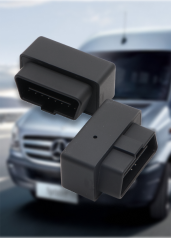
OBDtune is a handheld OBD tool for supported Mercedes-Benz diesel configurations. Its DPF software can suppress associated dashboard errors and restrictions without requiring physical removal or replacement of components in supported applications. Confirm compatibility for the specific vehicle and intended script before use.
The process uses an OBD connection and selection of a supported script through the vehicle’s multimedia screen, followed by completion and disconnection. OBDtune’s software role differs from regeneration: suppressing an error does not burn soot, remove ash, repair a failed component or establish that continued driving is safe. A restricted or damaged filter still requires attention even if its dashboard warning no longer appears. Software changes also do not establish permission for public-road use.